Film Screening: A Missing Can of Film (2025) & Stop Genocide (1971)
19:15–21:00
Eye Filmmuseum, Amsterdam
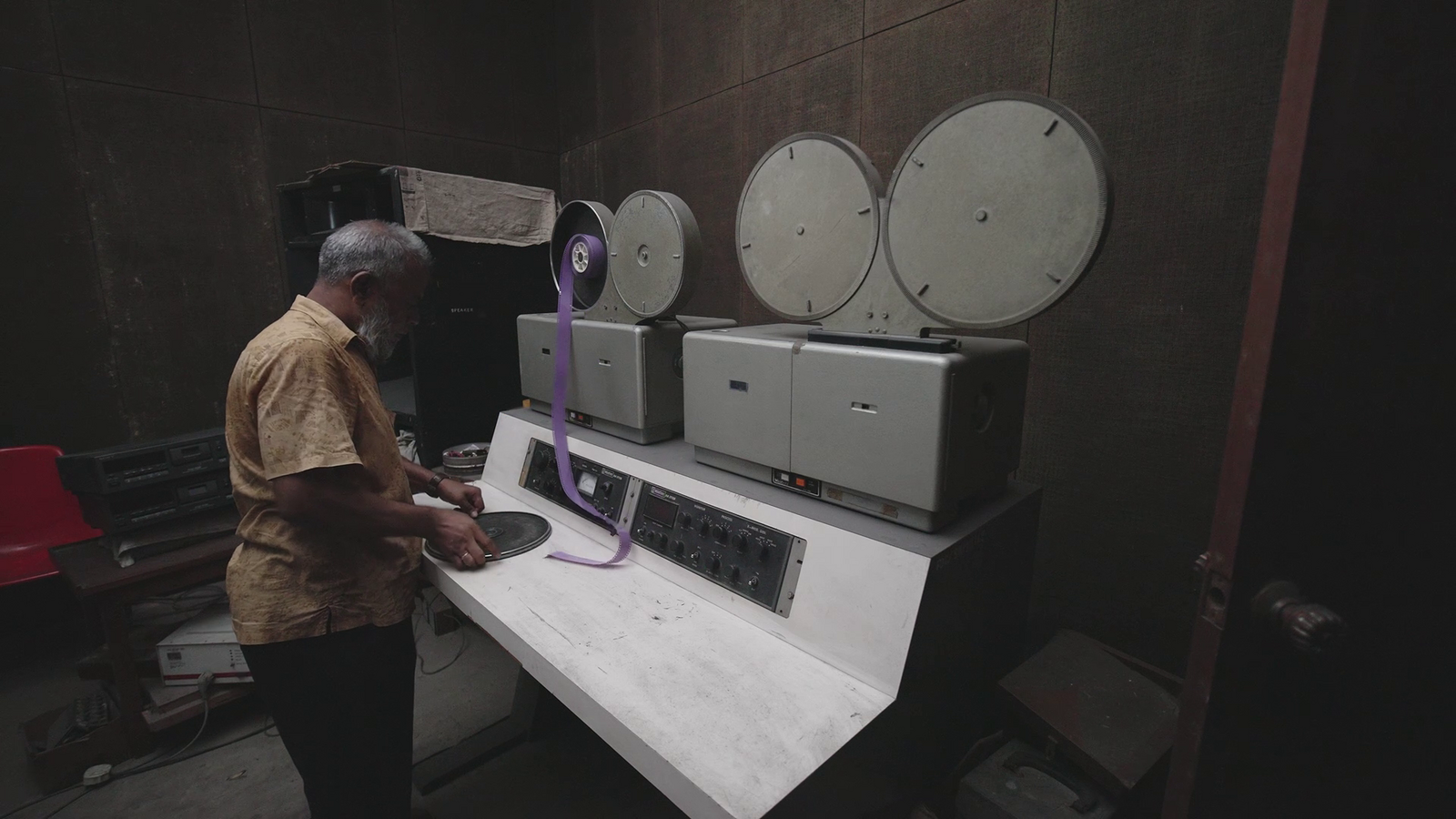
Still from Naeem Mohaiemen’s A Missing Can of Film (2025)
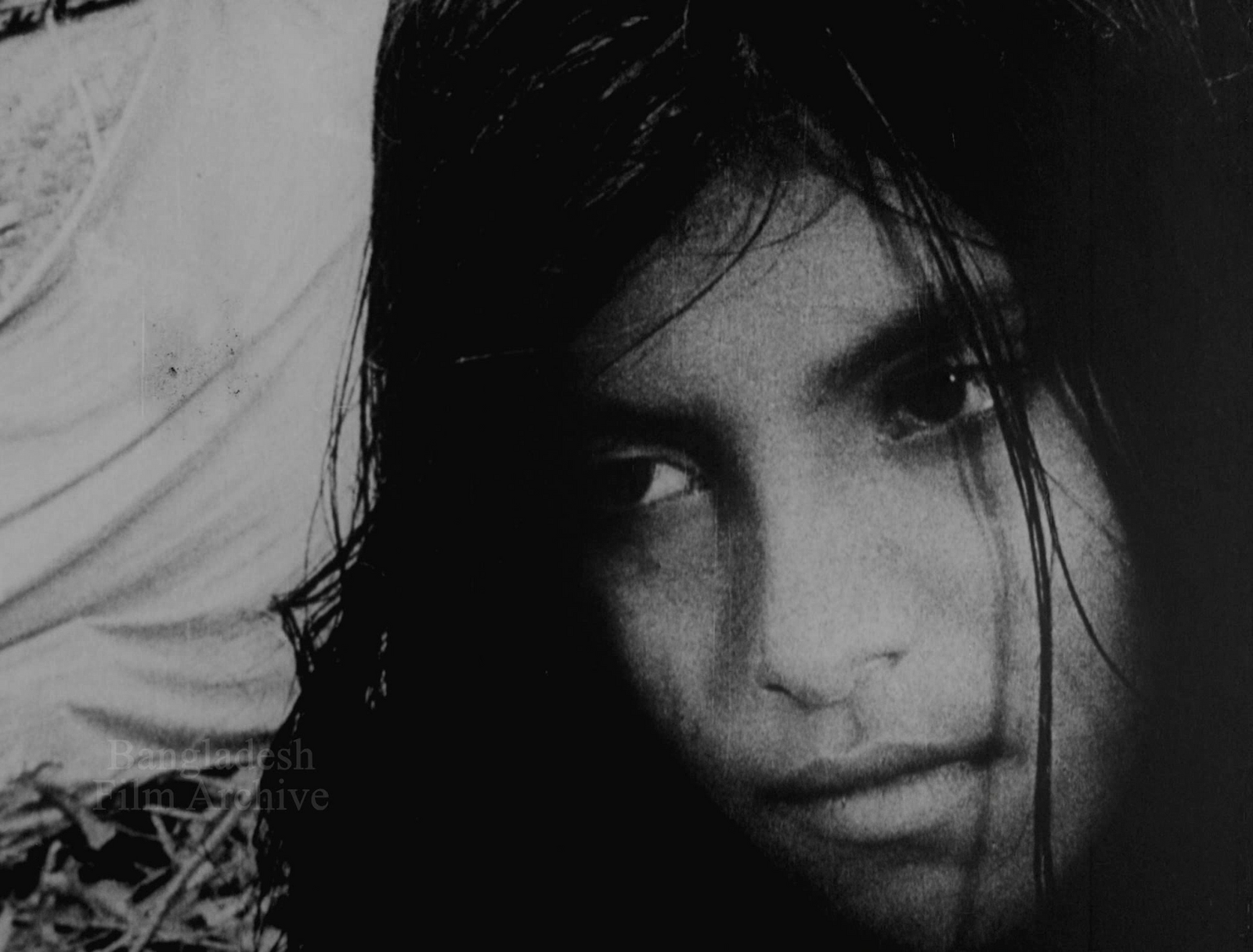
Still from Zahir Raihan’s Stop Genocide (1971)
Still from Naeem Mohaiemen’s A Missing Can of Film (2025)
Still from Zahir Raihan’s Stop Genocide (1971)
This screening event presents the Dutch premiere of Naeem Mohaiemen’s A Missing Can of Film (2025), commissioned by EVA International and Kochi-Muziris Biennale, and Zahir Raihan’s iconic documentary Stop Genocide (1971), which is also the portal into Mohaiemen’s film. There will be an introduction and conversation after the screening by Naeem Mohaiemen and Eszter Szakács. This screening is part of the exhibition project state of us, co-curated with EVA International, and is co-presented with the Eye Filmmuseum and the international workshop LIBERATIONS: Questions for Art and Theory (1 – 2 June 2026).
About the films
A Missing Can of Film (2025) by Naeem Mohaiemen, commissioned for the 41st EVA International and co-commissioned with the 6th Kochi-Muziris Biennale, traces the lost left politics buried within an unfinished film by Zahir Raihan, who is posthumously known for his film Stop Genocide, edited in the style of Soviet Realism and Third Cinema during the 1971 Bangladesh Liberation War. Interrupting archival copies of Zahir Raihan’s films with contemporary footage shot at the Bangladesh Film Development Corporation in the aftermath of the Bangladesh Student Uprising of 2024, the film queries the carriers of disputed history – film canisters, dusty equipment and a bustling film studio.
Zahir Raihan disappeared at age thirty-six immediately after the Bangladesh liberation war. A bravura polymath, he had already directed ten films and written twelve novels. The tensions within his cinematic forms (from neorealist social realism to mass-popular entertainment), film dialogue (from Pakistan’s ‘Islamic language’ of Urdu to the Bangladesh national language of Bengali), and political loyalties (from a nationalist project to the Soviet International) rendered him a cipher after death. He was listed among war martyrs (shaheed), but he was abducted forty-five days after the end of the war. Rumors circulated that a missing can of 16mm film existed, which would have embarrassed the new country’s high command. There had already been friction about starting Stop Genocide with an image of Vladimir Lenin; Bangladesh had its own national leader and a growing aversion to the socialist stillborn.
“Consider the internationalism of Zahir Raihan’s Stop Genocide (1971, 20 mins) – he invokes Auschwitz, Vietnam, Algeria, and Palestine through Alamgir Kabir’s narration. The film was completed at a feverish pace during the 1971 liberation war and faced a ‘paucity of filmic documents of [that] gruesome massacre,’ and responded, through montage and inserts, with ‘artistic stubbornness’ (Alamgir Kabir, Film in Bangladesh, 1979). Mahmudul Hossain posits in The Other National Cinema of Bangladesh (2023) that Raihan observed ‘Third Cinema’ and drew upon its use of documentary clips, newsreels, photographs, and statistics. Masha Salazkina ends her book World Socialist Cinema: Alliances, Affinities and Solidarities in the Global Cold War (2023) with a close reading of Stop Genocide. She reads in Raihan’s approach a kinship he may have had with socialist filmmakers Sergei Eisenstein, Santiago Álvarez, and Andrzej Wajda.” [Naeem Mohaiemen, “RaihanGhatak-Tarkovsky: we shall search, we shall find”, Daily Star, February 2, 2026].